

This Year’s Duck Stamp Star: The American Wigeon
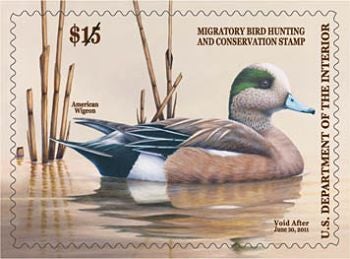 Image: U.S. Fish & Wildlife |
This past July, the U.S. Postal Service upping the price of stamps鈥�again鈥攖o 46 cents. Sure, it鈥檚 not ideal to pay more for postage, but what if 98 percent of that pocket change funneled directly to the Migratory Bird Conservation Fund, a money pool used to purchase new wetlands for the National Wildlife Refuge System? That鈥檚 precisely what happens with almost all profits from the annual Federal Duck Stamp. This year鈥檚 (above)鈥攆eaturing an by artist Robert Bealle鈥攊s hot off the presses.
For just $15, you could contribute to a conservation effort that has, since 1934, raised more than $750 million for the purchase of six million acres of wildlife habitat, according to U.S. Fish and Wildlife Services. This program, which requires any waterfowl hunter older than age 16 to purchase and carry around the annual stamp, has been called the most successful fundraiser of its kind.
Bealle鈥檚 wigeon beat out two wood ducks by artist Scot Storm, a gadwall by Jeffrey Mobley, and submissions from 221 other artists to take home top prize. The first stamp of this kind, from 1934-1935, featured what many consider the most ubiquitous duck around: the mallard. In the 70-plus years since, the likenesses of the green-winged teal, the northern pintail, and many other ducks have become stamps. (To view the full collection, .)
Though this year鈥檚 winning wigeon just took the stage, next year鈥檚 star鈥攁 brant, a Canada goose, a northern shoveler, a ruddy duck, or a white-fronted goose鈥攚ill be decided during a two-day period in October by a panel appointed by the Interior Secretary.
Sadly, you can鈥檛 use the stamp as actual postage. But do flash the beauty to get free admission into many national wildlife refuges, including the . Purchase the Federal Duck Stamp from the or from a .
